

Why five minutes of focused, joyful music-making can be more valuable than 45 minutes of forced practice—and how parents can help beginner musicians thrive.
Your child just started music lessons. They're excited about their new instrument, and you're excited to watch them learn.
Then comes the familiar question:
"How do I get my child to practice at home?"
At Music Box, we encourage families to approach this question a little differently.
What if, instead of asking children to practice, we invited them to play?
What if, instead of measuring success by minutes spent at an instrument, we celebrated what they discovered, explored, and accomplished?
And what if learning music at home became something children genuinely looked forward to, rather than another task on their daily checklist?
We believe that music is a language. Just as children learn to speak by listening, experimenting, repeating, and communicating, they learn music through meaningful musical experiences.
That means the time between lessons should be filled with opportunities for discovery—not pressure.
Here's how to help your child build a positive, sustainable music-learning routine at home, even if you don't know how to play an instrument yourself.
1. Start With the Right Environment: Make Music Part of Family Life
Where your child plays music at home matters more than you might think.
For younger beginners, we recommend choosing a comfortable, accessible space where parents can naturally see or hear their child playing.
The living room, dining room, den, or even a quiet corner near the kitchen can be wonderful places for music-making.
Why?
Because music is a social experience, and children benefit from knowing that someone is listening and appreciating their efforts.
When an instrument is tucked away in a bedroom or closet, it can become something a child only thinks about when reminded to practice.
But when music is part of everyday family life, opportunities to play happen more naturally.
A child might sit at the piano while dinner is being prepared. They might pick up their guitar after school or show a parent a new rhythm on their drum pad.
These spontaneous moments are valuable.
Try creating a space where:
Instruments are easily accessible and ready to use.
Music books and learning materials are within reach.
There is enough light and comfort to focus.
Parents can listen or offer encouragement without hovering.
Making music feels welcome, rather than disruptive.
You don't need an elaborate music room. You need an environment that invites your child to play.
For older students who prefer privacy, a quieter space may be more appropriate. The important thing is that the instrument remains accessible and the student feels supported.
2. Choose the Right Moment, Not Just the Right Time
Imagine two situations.
A child arrives home after a long school day. They're tired, hungry, and frustrated. A parent reminds them they still have 30 minutes of piano practice to complete.
Now imagine that same child after a snack, some rest, and a little free time. They're feeling curious and decide to sit at the piano for five minutes to figure out a melody.
Which experience is more likely to encourage a lifelong love of music?
At Music Box, we believe that the quality of engagement matters more than the number of minutes.
Five minutes of focused, enthusiastic learning can sometimes accomplish more than 45 minutes of distracted or forced repetition.
Of course, developing musical skills requires consistency, patience, and repetition. But consistency doesn't have to mean forcing children to play when they're emotionally or physically exhausted.
Look for moments when your child is rested, comfortable, curious, and ready to explore.
Some children enjoy playing immediately after school. Others prefer the morning, after dinner, or before their evening routine.
Experiment until you discover what works best for your family.
The goal isn't to fill a required number of minutes.
It's to help your child develop a habit of returning to music with a positive attitude.
3. Replace "Go Practice" With "Show Me What You Can Play!"
The words we use can influence how children experience learning.
When music becomes another obligation, children may begin to associate their instruments with pressure rather than enjoyment.
Try replacing commands with invitations.
Instead of saying… Try saying…
"Go practice your piano." "Want to show me what you learned?"
"You still owe 20 minutes." "What would you like to play today?"
"Play it until you get it right." "Can you figure out that tricky part?"
"You made another mistake." "What could you try differently?"
"Did you practice this week?" "What are you excited to show your teacher?"
These little changes encourage ownership and curiosity.
When children feel that music belongs to them, they're more likely to explore independently.
And that's exactly what we want.
4. Follow the Music Box Four Principles of Student Success
At Music Box, we encourage students to develop four important habits that support musical growth, both inside and outside the classroom.
Patience: Progress Takes Time
Learning an instrument is a journey, not a race. Encourage children to slow down, break challenges into smaller pieces, and appreciate gradual improvement. Every accomplished musician was once a beginner.
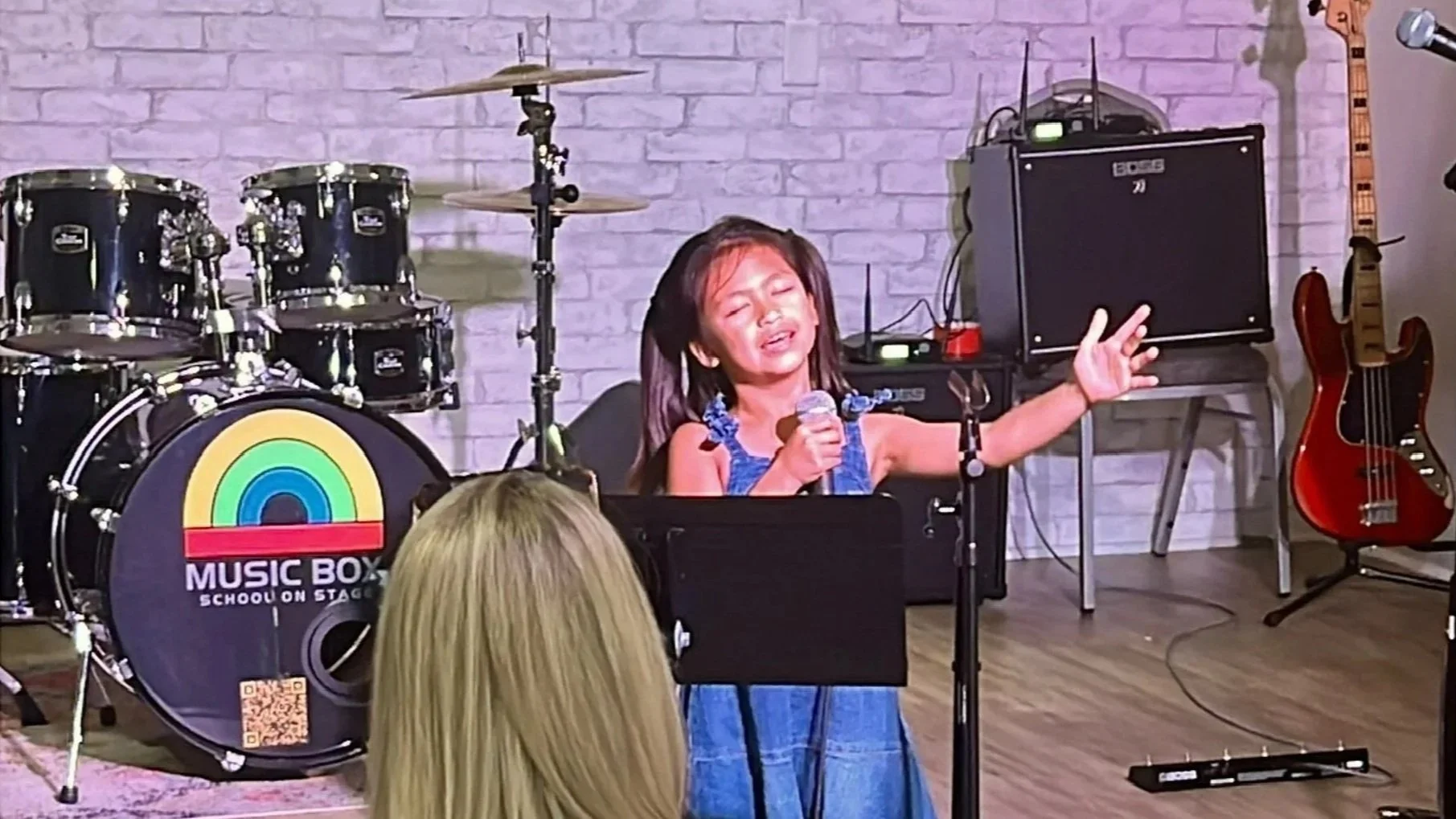
Purposeful Playing: Quality Over Quantity
Don't play just to complete a task. Play with intention, curiosity, and awareness. Repeating a short musical phrase thoughtfully can be more productive than playing an entire song without paying attention.
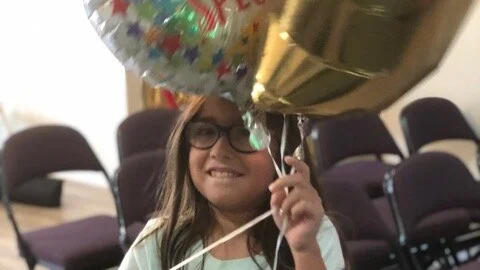
Praise: Celebrate Every Achievement
Recognize effort, discoveries, and improvements, however small. Encouragement builds confidence and helps children see themselves as capable musicians.
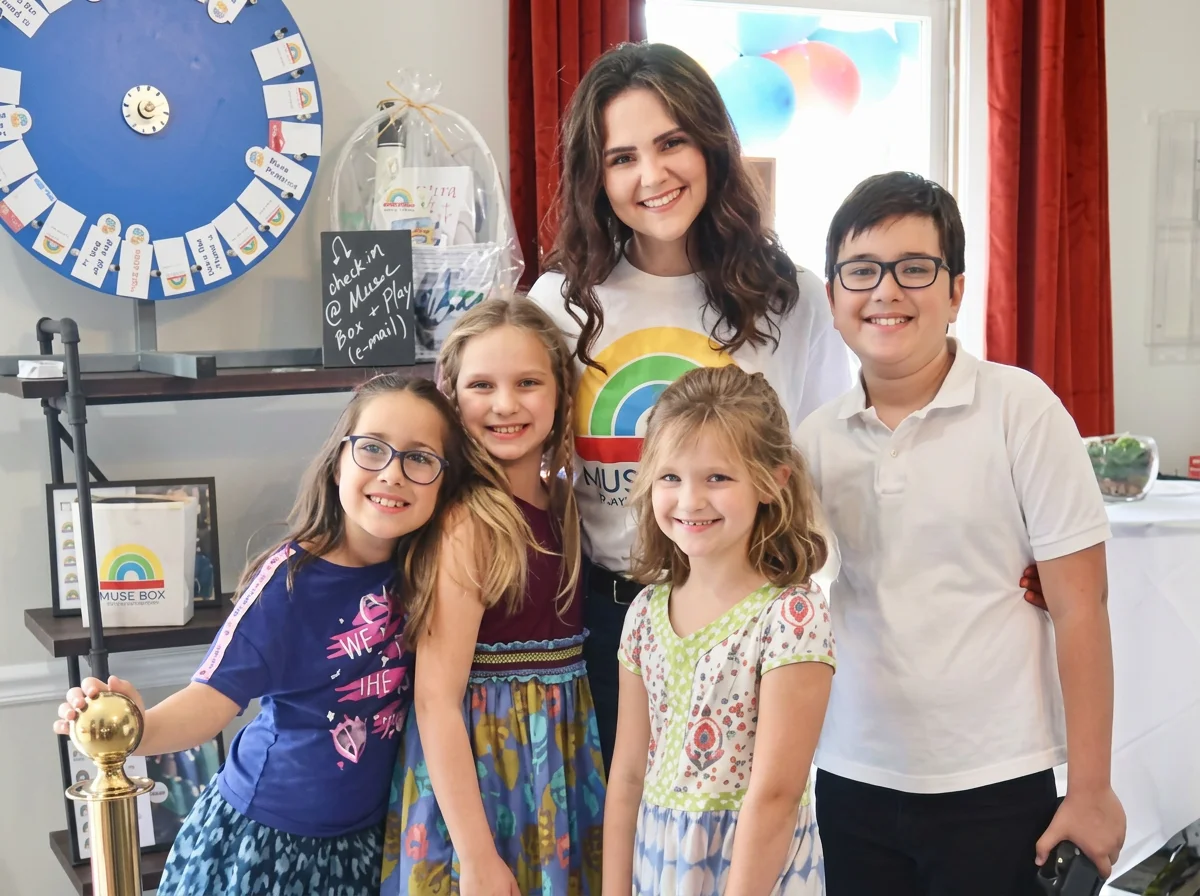
Participation: Music Is Meant to Be Shared
Attend lessons consistently, share music with family and friends, and take opportunities to perform when ready. Every experience helps develop confidence, musicianship, and communication skills.
These principles remind us that becoming a musician involves much more than playing the correct notes.
It involves developing curiosity, resilience, confidence, and a willingness to participate.
5. You're Not on Your Own: Music Box Teachers Guide Learning at Home
One of the biggest challenges parents experience is not knowing exactly what their child should work on between lessons.
At Music Box, we work to eliminate that uncertainty.
Our teachers ensure that both students and parents understand what to explore at home and what goals they're working toward.
Every lesson is an opportunity to establish clear, achievable next steps.
And we provide resources to help families stay connected to their child's progress.
Personalized Teacher Guidance
Students leave their lessons knowing what to explore, review, or accomplish before their next class. Parents can understand how to support them without needing to become music instructors.
Google Classroom
We use Google Classroom to organize learning materials, assignments, and educational resources, giving students and families a convenient way to revisit lesson content at home.
Progress Reports After Every Lesson
Our lesson updates communicate what students worked on, what to explore at home, and what to expect next time.
Monthly Printed Progress Reports
Printed reports provide another opportunity for families to follow progress, recognize accomplishments, and understand their child's ongoing development.
These resources help make at-home learning a meaningful continuation of each lesson rather than an unrelated assignment.
Parents don't have to guess what comes next, and students don't have to figure everything out alone.
Our teachers provide the direction. Students do the exploring. Parents provide the encouragement.
That's what a strong learning partnership looks like.
6. Five Minutes Can Make a Difference: Try This Simple Music Routine
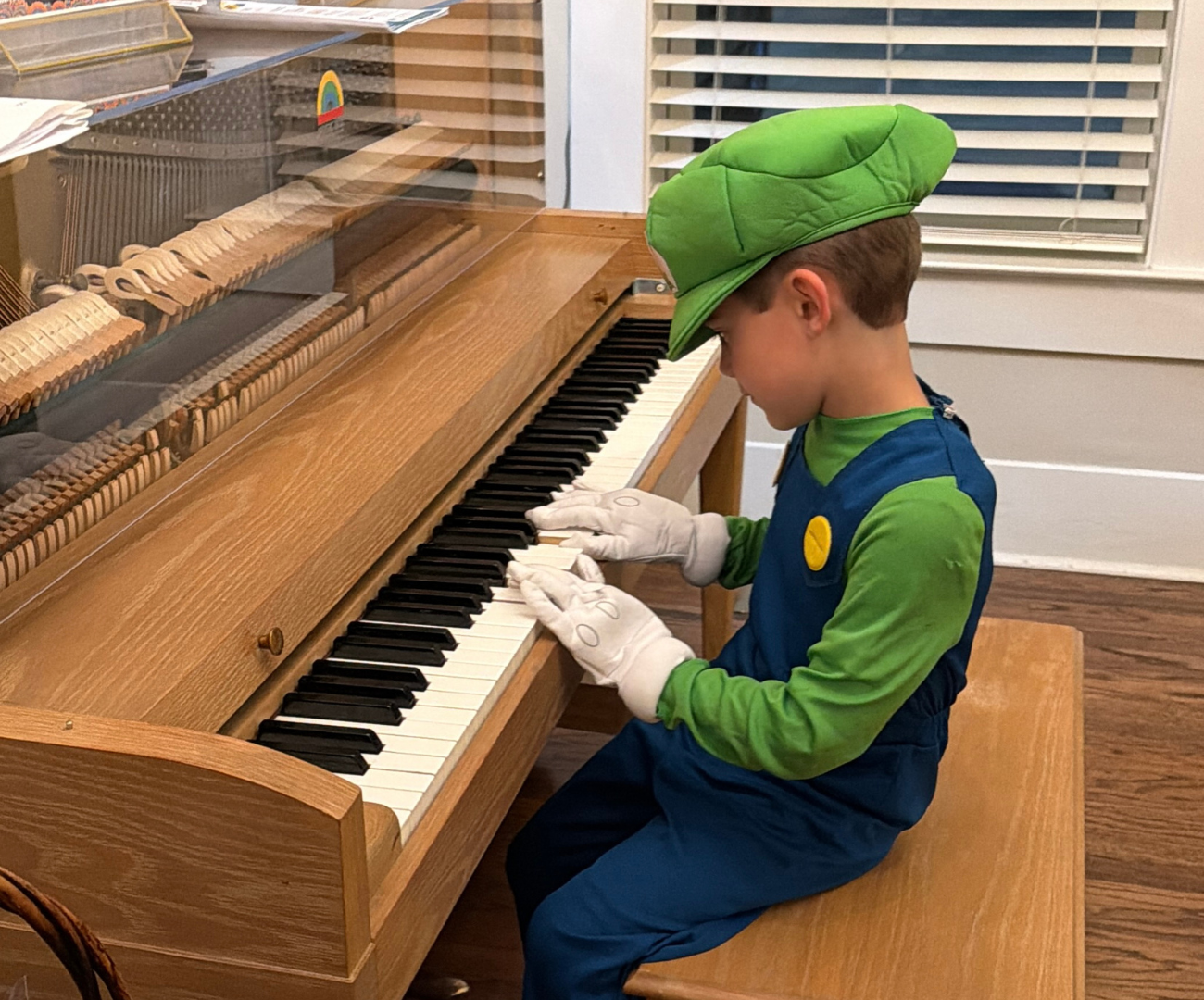
For beginner musicians, having a little structure can make getting started easier.
Here's a simple five-minute routine families can use as inspiration.
Your 5-Minute Music Adventure
A flexible routine for beginner musicians
1 minute - Play Something Familiar: Start with a song, rhythm, or melody you already know. Build confidence and get comfortable.
2 minutes - Explore Something New: Try one small goal from your teacher's lesson notes. Slow it down and experiment.
1 minute - Get Creative: Change a rhythm, invent a melody, improvise, or explore a different sound.
1 minute - Celebrate and Share: Play your favorite part again. Decide what you'd like to show your teacher next time.
This isn't a mandatory checklist or a timer-based assignment.
Some days your child might only want to play something familiar. Other days, they might spend 20 minutes inventing a song.
Both experiences can be valuable.
The key is to encourage meaningful musical engagement and gradually build the habit of returning to the instrument.
As students advance, their teachers will guide them toward longer and more structured learning sessions appropriate for their goals.
7. Let Your Child Be the Teacher
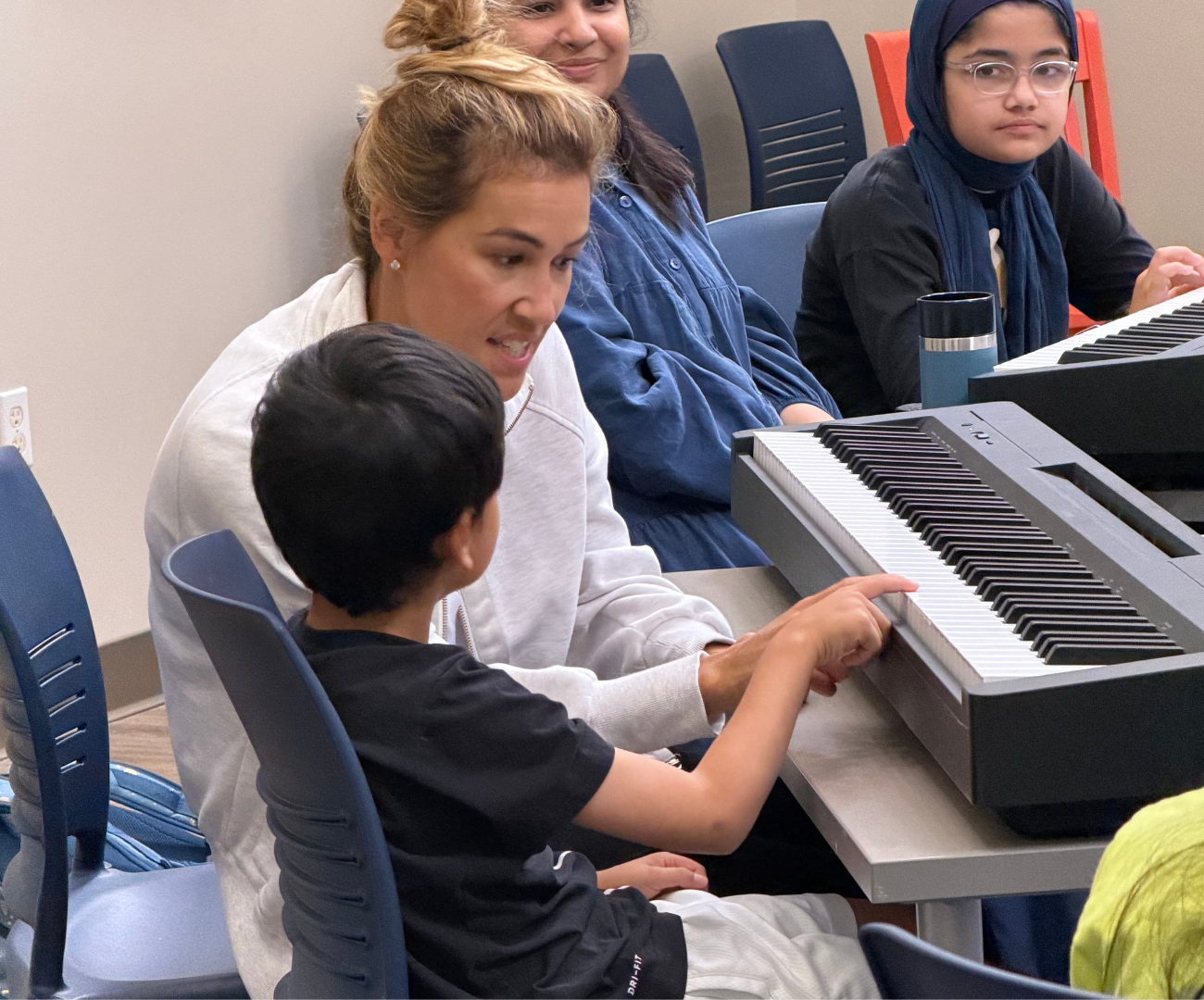
Here's one of the simplest and most effective ways to support music learning at home:
Ask your child to teach you something.
You don't need musical experience.
In fact, not knowing how to play can make the activity even more engaging.
Ask your child:
"Can you teach me that rhythm?"
"What are those notes called?"
"How did you figure out that melody?"
"Can you show me how that chord works?"
When children explain what they've learned, they have an opportunity to strengthen their understanding while developing confidence.
They also experience something powerful: the realization that they have knowledge worth sharing.
Even if your child is only able to teach you three notes, celebrate that accomplishment.
You might be surprised how much excitement a little role reversal can create!
8. Celebrate Their Efforts: The Music Box Rewards System
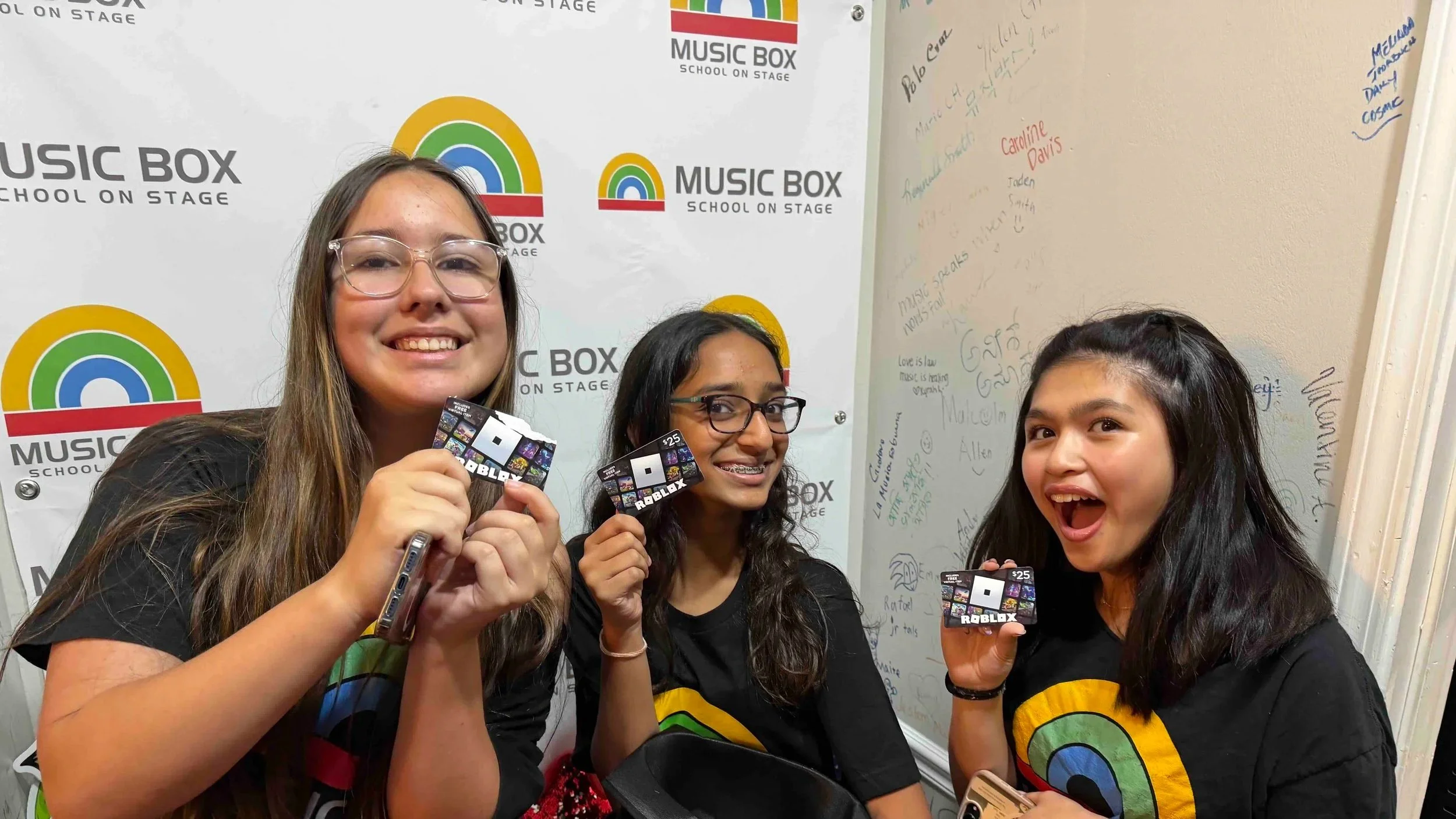
Building new learning habits takes time, and sometimes a little extra motivation makes the journey even more exciting.
That's why Music Box has a rewards system designed to recognize students who engage with their music at home.
For younger learners: The Music Box Treasure Box!
Our youngest musicians have something special to look forward to at the end of their lessons.
When students play and work on their music at home, they can show their teacher what they've accomplished during their next class.
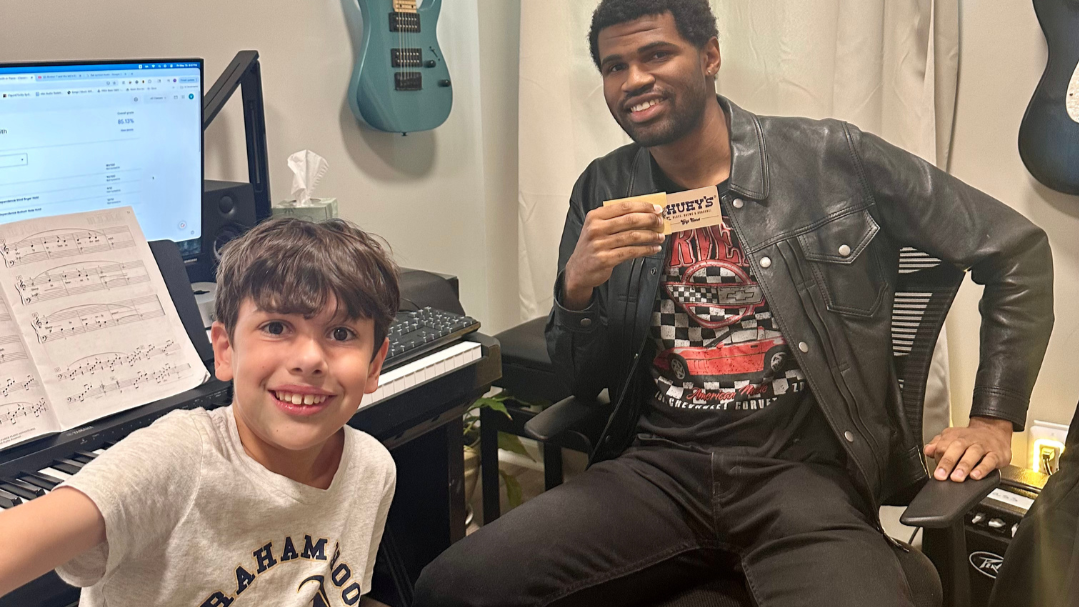
With that day's teacher's approval, students earn a visit to the Music Box Treasure Box after their lesson!
It's a fun way to recognize effort and encourage children to keep exploring between classes.
The goal isn't perfection. Students don't need to play every note correctly or complete a certain number of minutes to demonstrate meaningful effort.
We want to recognize their willingness to engage, try, and grow.
For older learners: Points, prizes, and bonus experiences!
As students grow older, their interests change.
For musicians who have outgrown the Treasure Box, Music Box offers a points-based rewards system.
Students can work toward prizes and special bonus experiences, giving them additional opportunities to celebrate their commitment and accomplishments.
These incentives can help students stay engaged while they develop greater independence and responsibility for their musical growth.
The real reward? Becoming a musician.
We love celebrating students with treasures, points, and prizes.
But the most meaningful rewards are the ones students discover through music itself.
The first time they play a favorite song.
The moment they finally understand a challenging rhythm.
The excitement of composing something original.
The confidence they feel when sharing their music with others.
Our rewards systems help celebrate the journey. The ultimate goal is for students to discover that making music is rewarding all on its own.
9. Come Back and Show Your Teacher What You Discovered!
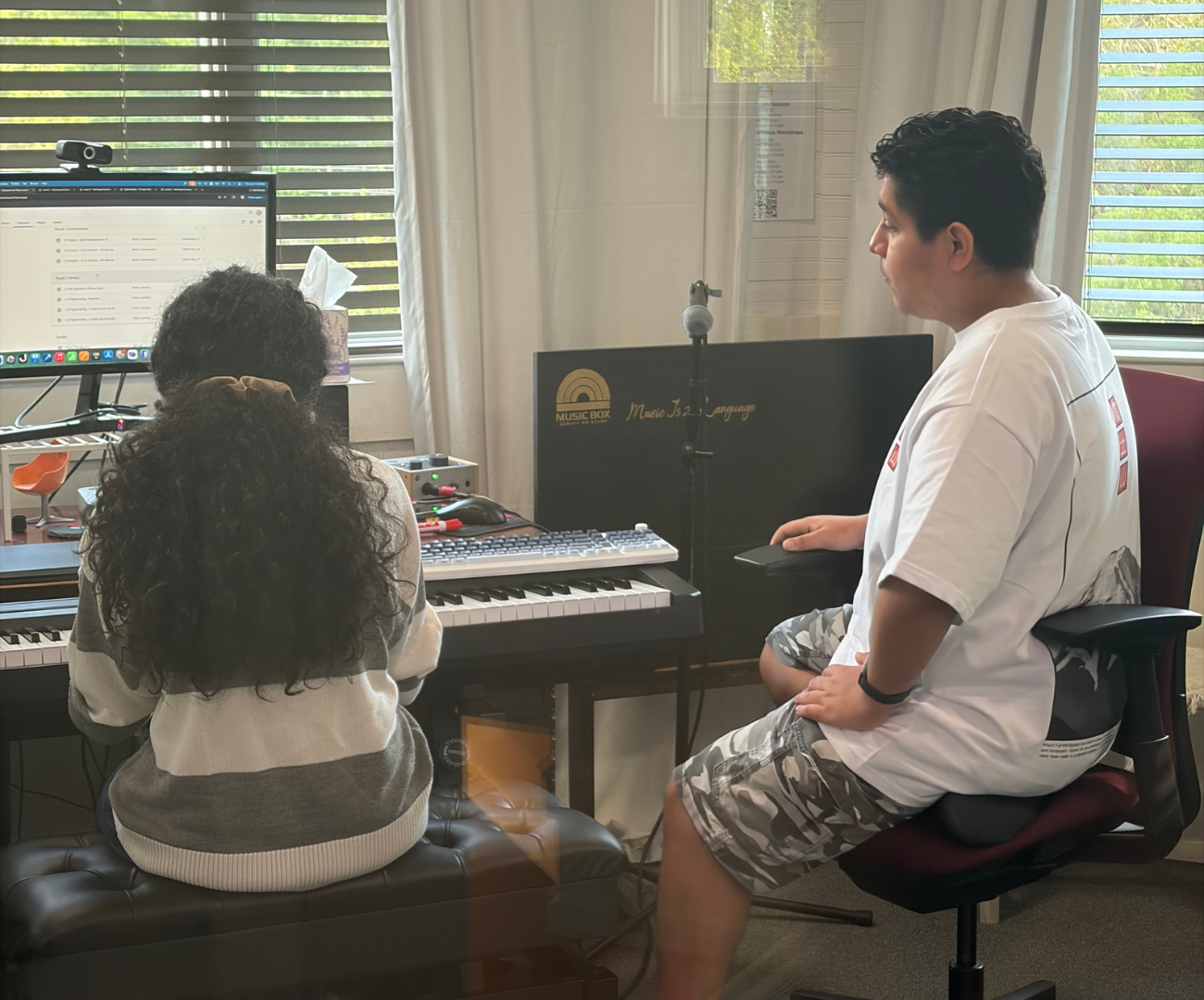
One of the most important parts of the Music Box learning experience happens when students return to their next lesson.
Instead of thinking, "I have to prove I practiced," we want students to think:
"I can't wait to show my teacher what I figured out!"
Maybe they learned the first few measures of a song.
Maybe they figured out how to play a familiar melody by ear.
Maybe they experimented with a new rhythm, created a short composition, or discovered something they don't quite understand yet.
All of these are valuable learning experiences.
Their teacher can celebrate what they've accomplished, help them work through challenges, and build on their discoveries.
And if something didn't go as planned at home?
That's okay, too.
Learning involves making mistakes, asking questions, and trying again.
We want every child to feel comfortable bringing their discoveries and their challenges into the classroom.
10. Give Children Opportunities to Share Their Music
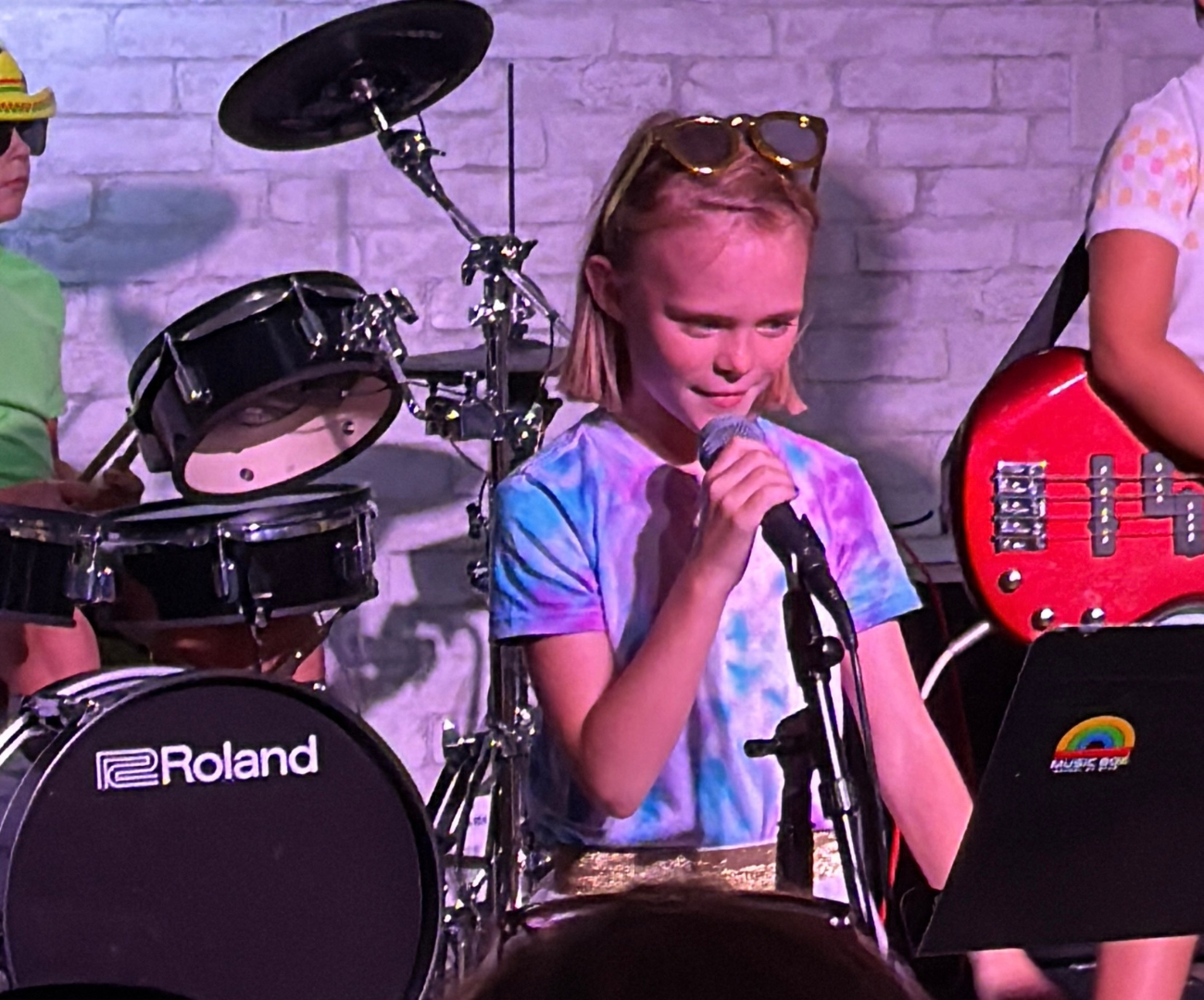
Music isn't meant to exist only inside a lesson room.
It's a language of expression, connection, and creativity.
That's why participation is one of our four Student Success principles.
At home, participation might be as simple as playing a melody for a parent, performing a favorite song for grandparents, or making music with a sibling.
As students become more comfortable, they may want to share their music with a larger audience.
At Music Box, our Performance Workshops provide opportunities for students to experience performing in a positive, encouraging environment.
Students perform when they're ready and willing—not because they're required to perform every month.
These experiences help children develop confidence, resilience, and communication skills while learning to appreciate other musicians.
A living-room performance and a Music Box stage performance have something important in common:
Both give children an opportunity to use the musical language they're learning.
11. Parents: Be Their Biggest Supporter, Not Their Practice Supervisor
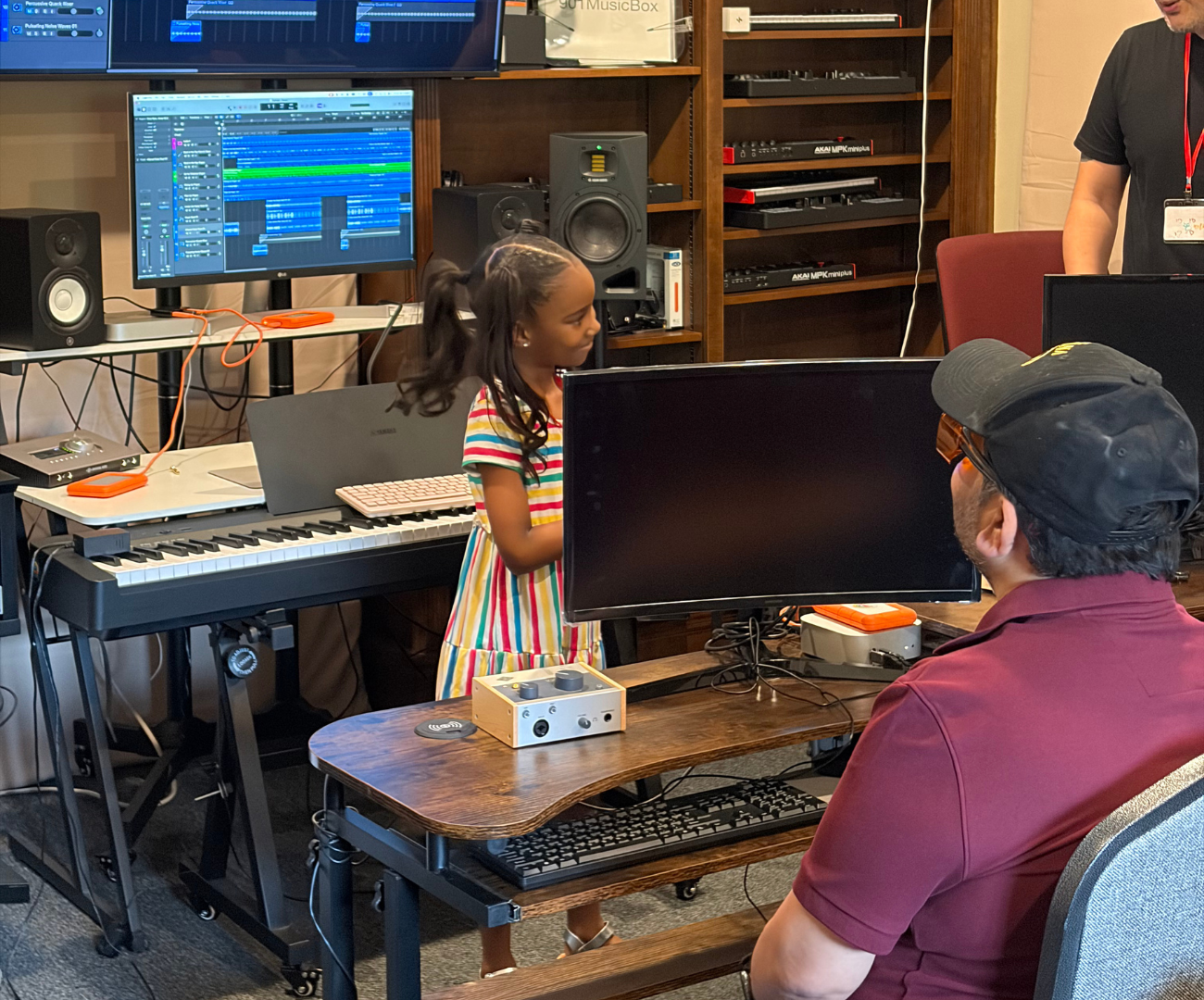
You don't need to know how to play piano, guitar, drums, bass, or any other instrument to make a difference in your child's musical development.
Your role isn't to correct every mistake, enforce a stopwatch, or compare your child's progress with someone else's.
Your role is to create an encouraging environment where learning feels safe, exciting, and worthwhile.
Five simple ways to encourage your young musician
Listen when they want to share something.
Celebrate effort, creativity, and small accomplishments.
Help them find a comfortable moment to play.
Encourage curiosity and experimentation.
Stay connected with their teacher's guidance and progress updates.
Avoid turning music into a daily argument.
If your child is exhausted, frustrated, or overwhelmed, it may be better to try again later.
If they make mistakes, encourage them to slow down, experiment, and ask questions.
And if they're excited about something musical that wasn't part of their assignment, let them explore!
That curiosity is an important part of becoming an independent musician.
The Big Picture: We're Building Musicians, Not Counting Minutes
At Music Box, our mission is about much more than teaching children to play songs.
We teach music as a language—one that students can read, understand, create, improvise, and share with others.
Learning at home is an essential part of that process, but it doesn't have to feel like homework.
When children have the right environment, a positive mindset, clear teacher guidance, supportive parents, and opportunities to celebrate their accomplishments, musical growth becomes a natural part of their lives.
Some days they'll play for five minutes. Other days they'll lose track of time because they're so excited about what they're discovering.
Both are part of the journey.
Less pressure. More curiosity. More playing. More music.
And most importantly, a lifelong love of learning.
Have a Question? Help Us Choose Our Next Blog Topic!
We created the Music Box blog to help families feel more confident supporting their children's musical journeys.
But we also want to hear from you!
Are you wondering how to keep your child motivated? What to do when they get frustrated? How to recognize musical progress? Or when they're ready to perform?
Your questions can inspire our next article!
We invite Music Box parents, students, and music-loving families to suggest topics they'd like our educators to explore.
What should Music Box write about next?
Suggest a topic or ask a question
Send your suggestion This opens your email app with your suggestion ready to send. The website version can use a direct submission form.
Your questions help us create resources that support real families facing real challenges. We may feature selected questions in future articles without identifying the person who submitted them.
Because music education works best when students, teachers, and families learn together.
Start Your Musical Journey With Music Box
Whether your child is just beginning or you're looking for a more engaging approach to music education, we're here to help.
Music Box offers piano, guitar, bass, drums, voice, and ukulele lessons, along with group programs and performance opportunities at our studios in Germantown and Collierville, Tennessee.
Our approach combines structured learning, creativity, personalized guidance, and meaningful musical experiences.
Music is a language. Come speak it with us.